

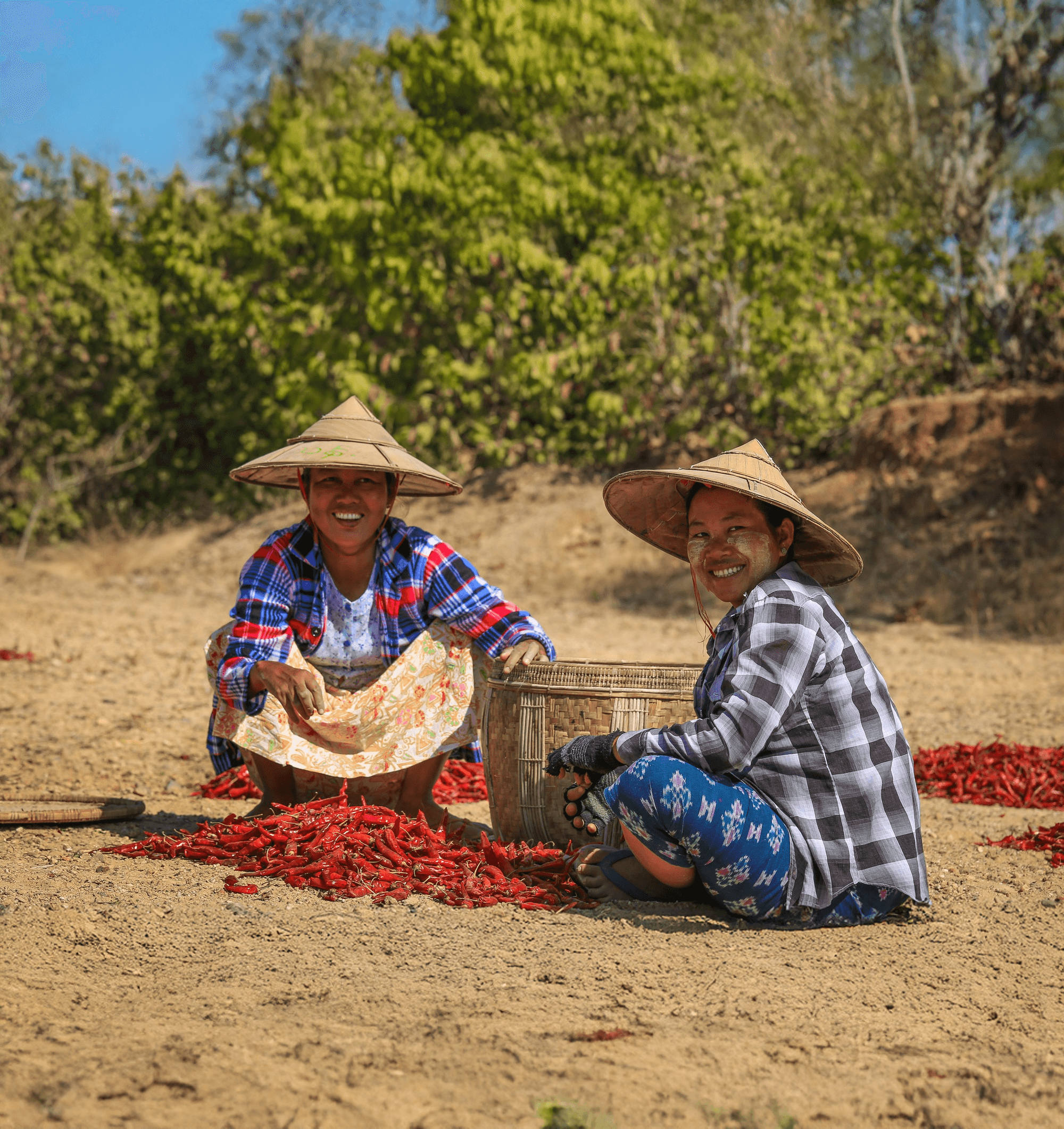

Indian Red Chilli for Export: Varieties, Heat, Colour and What Buyers Should Ask For
How Guntur, Teja, Byadgi and Kashmiri chillies differ, and which specifications matter in a bulk order.
India is the world's largest chilli exporter, and the main export varieties are Guntur Sannam, Teja, Byadgi and Kashmiri. They differ in two measures buyers care about: pungency (heat) and colour. Teja and Sannam are hot, Byadgi and Kashmiri are prized for deep red colour with milder heat. Choosing the right variety, and specifying heat, colour, moisture and residue limits, matters more than the grade name on the quote.
Why is chilli India's biggest spice export?
Chilli is India's largest spice export by both volume and value. In 2024-25 India shipped about 715,500 tonnes of chilli worth about USD 1.34 billion, which is roughly 28% of all spice export value according to Spices Board figures. Andhra Pradesh, Telangana and Karnataka are the major growing regions, and exports go to many markets, with China, Bangladesh and the United States among the important ones.
What are the main Indian chilli varieties?
Guntur Sannam (often sold as S4) is the workhorse of Indian chilli exports. It is a hot variety grown around Guntur in Andhra Pradesh, with a thin skin and good colour, and is widely used for powder and general cooking.
Teja (S17) is one of the hottest Indian export chillies. Buyers choose it when pungency is the priority, including for powder, sauces and extraction of oleoresin.
Byadgi, from Karnataka, is a wrinkled, deep red chilli with moderate heat and very high colour. It is used where colour matters more than heat, such as in marinades, sauces and food colouring applications.
Kashmiri chilli is a bright red variety known for mild heat and strong colour. It gives dishes a rich red tone without making them very hot, which is why it is popular in Indian restaurant cooking and in premium powder blends.
How are heat and colour measured?
Heat is measured in Scoville Heat Units (SHU), which express pungency. Colour is measured as an ASTA colour value, where a higher number means a stronger red. Because the same variety varies by crop and region, buyers should request SHU and ASTA values from the supplier's lab report instead of relying on the variety name. Ask for the test method as well.
What specifications should a chilli order include?
A good chilli specification names the variety, form and stem status: whole dried pods with stem or stemless, crushed, flakes or powder. It fixes the heat range, the minimum colour value, and the maximum moisture, since dry chilli needs low moisture to store safely. It also sets the limits for broken pods, seeds, foreign matter and damaged or discoloured pods.
For safety, add the limits for aflatoxin, pesticide residues and banned dyes such as Sudan dyes, and ask for lot-level test reports. Chilli is an agricultural product dried in the open in many regions, so lot testing is essential for regulated markets.
Should you buy whole chilli or powder?
Whole dried chilli keeps flavour and colour longer and lets you inspect quality before processing, but needs cleaning, grinding and dust control in your plant. Chilli powder saves processing, but is harder to check for dyes, fillers or old stock, so it needs strict lot testing. Many buyers purchase whole chilli for high-volume lines and powder for smaller ones.
How should chilli be packed and stored?
Chilli is usually packed in bags, in bulk. It should be kept cool, dry and away from light, because heat and sunlight fade the colour and reduce quality. Agree the bag type and weight in the contract, and ask for a fresh production date when you buy powder.
How do you choose between varieties?
If you need heat, look at Teja and Sannam. If you need colour with moderate heat, look at Byadgi. If you need mild heat with bright colour, look at Kashmiri. Ask for samples of two or three varieties, compare them on colour and heat in your own recipe, and test them for residues before you commit.
Red chilli from Aromya Spices
Aromya supplies export-grade dried red chillies from Andhra Pradesh, India, and chilli powder for food manufacturers. Order a sample, compare it against your specification, and request a quote with your variety, form and quantity.
Request a Quote