


Top Spices Exported from India: Volumes, Values and Main Destinations
Which Indian spices ship in the largest quantities, what they earn, and where buyers should look first.
Chilli, cumin, spice oils and oleoresins, turmeric, ginger and black pepper are the leading spices exported from India. In 2024-25 India exported about 1.8 million tonnes of spices and spice products worth roughly USD 4.7 billion, an all-time high, according to the Spices Board of India. Red chilli alone accounts for close to 28% of export value, making it India's largest spice export.
How much spice does India export?
In the financial year 2024-25, India exported 17.99 lakh tonnes (about 1.8 million tonnes) of spices and spice products valued at Rs 39,994 crore, or USD 4,722.65 million, as reported by the Spices Board. This was up from 15.40 lakh tonnes worth USD 4,464 million in 2023-24, an increase of 17% in volume and 6% in dollar value. India supplies more than 200 destinations and more than 225 distinct spice products, and is the world's largest producer, consumer and exporter of spices.
Which spice is India's biggest export?
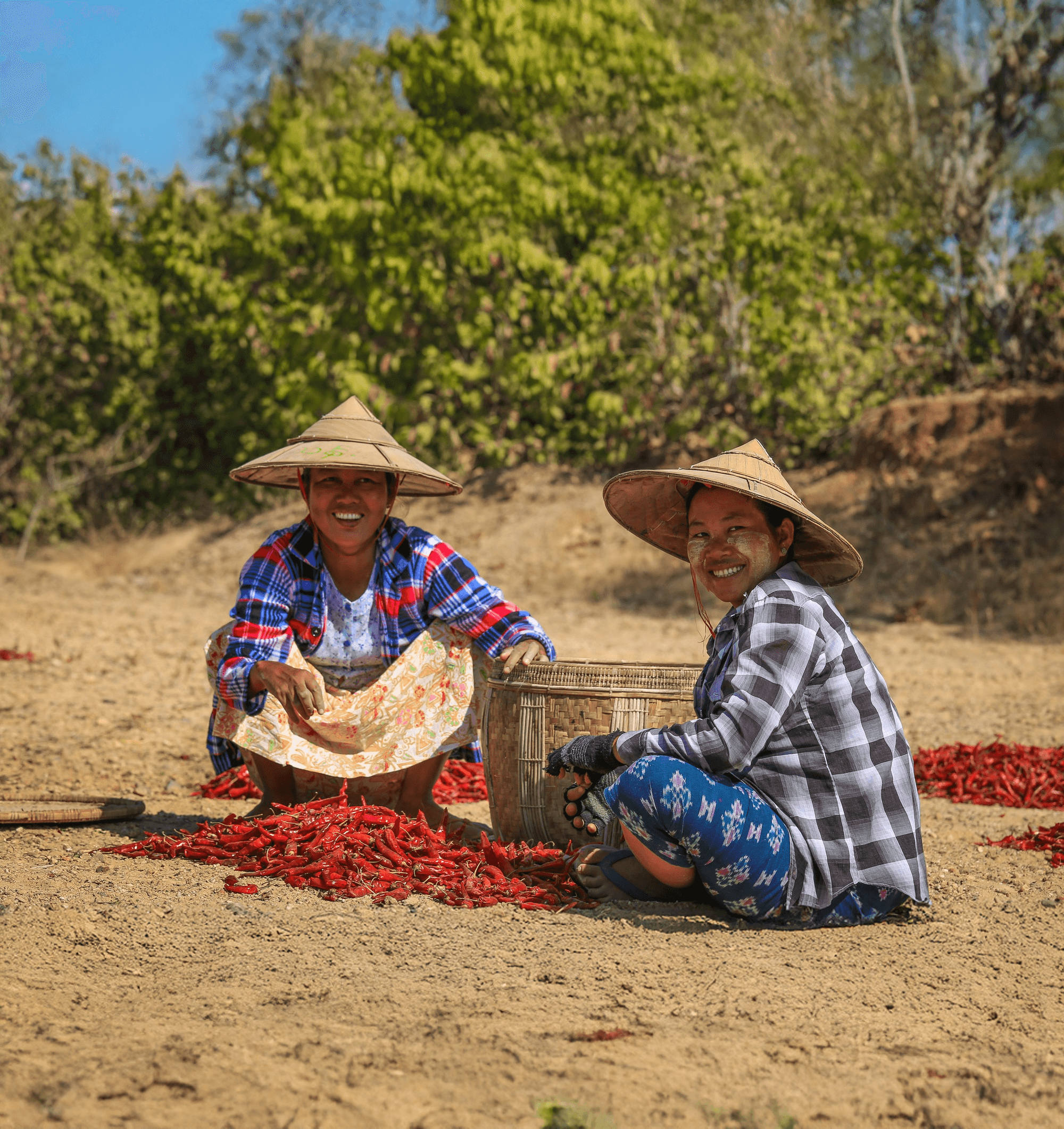
Red chilli. In 2024-25 India shipped about 715,500 tonnes of chilli, worth roughly USD 1.34 billion on the Spices Board's item-wise table, or about 28% of total export value. Dried whole chilli, chilli powder and crushed chilli are all traded in large volumes, with Andhra Pradesh, Telangana and Karnataka the major growing regions.
Where does cumin rank?
Cumin is consistently one of India's top two or three spice exports by value. Trade data sites put the combined export value of cumin and coriander seeds (HS heading 0909) at roughly USD 900 million in 2024-25, and India is widely described as supplying around two-thirds or more of the world's cumin. Gujarat and Rajasthan are the main producing states, and prices swing with the crop size each season.
What about turmeric, ginger and pepper?
Turmeric is among the top five spice exports, with trade data placing exports of turmeric under HS 0910.30 at about USD 340 million in 2024-25. Dry ginger shipped about 131,000 tonnes, worth about USD 125 million, and black pepper about 20,800 tonnes, worth about USD 125 million, according to the Spices Board item-wise table. Small cardamom is a smaller volume but a high-value export, at about 6,700 tonnes and USD 185 million.
Why do spice oils and oleoresins matter?
Spice oils and oleoresins are concentrated extracts used by food, flavour and pharmaceutical manufacturers. India exported about 20,900 tonnes in 2024-25, worth about USD 536 million, which makes them the second most valuable spice product group after chilli. Value-added products such as these, curry powders and spice blends are the growth area the Spices Board and industry bodies are pushing.
Where do Indian spices go?
Spices Board data reported by industry analysts shows exports spread across many markets. China, the United States, Bangladesh and the United Arab Emirates are the largest destinations, with China and the US together taking more than a third of export value.
Which Indian states export the most spices?
Gujarat is a leading exporting state, along with Kerala and Andhra Pradesh. Madhya Pradesh leads production by volume, with Gujarat and Andhra Pradesh next. Seed spices such as cumin, coriander and fennel concentrate in Gujarat and Rajasthan, while chilli is centred on Andhra Pradesh and Telangana.
Which Indian spices should an importer start with?
Buyers starting with Indian sourcing usually begin with the highest-volume, most standardised spices, such as cumin, coriander, turmeric, dried red chilli, black pepper and dry ginger. They are widely graded, widely traded and easy to compare across suppliers. Once the supply chain works, buyers add blends, powders, spice oils or less common spices.
Sourcing Indian spices from Aromya Spices
Aromya Spices exports cumin, turmeric fingers, coriander seeds, red chillies, black pepper, dry ginger, cloves and mustard seeds, along with powders and garam masala. Browse the full range or request a quote with your spice, quantity and destination.
Request a Quote